Origins
Clear Handoffs for Mixed Duo Practice
When two players with different experience levels queue up together, written handoffs can do more than save time between matches. They can make the next move understandable before the action…
From a phone that turns its screen to a room that notices motion, sensors quietly translate the world into signals.
From a Change in Light to a Number on Screen
Read the piece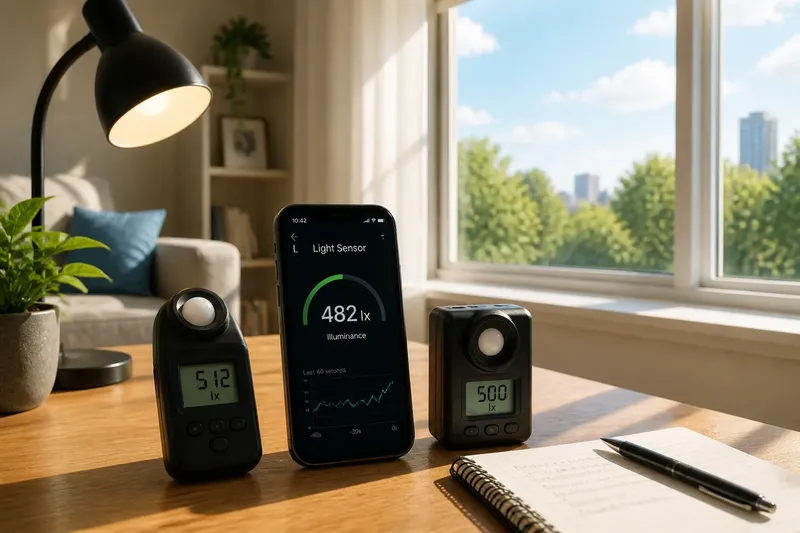
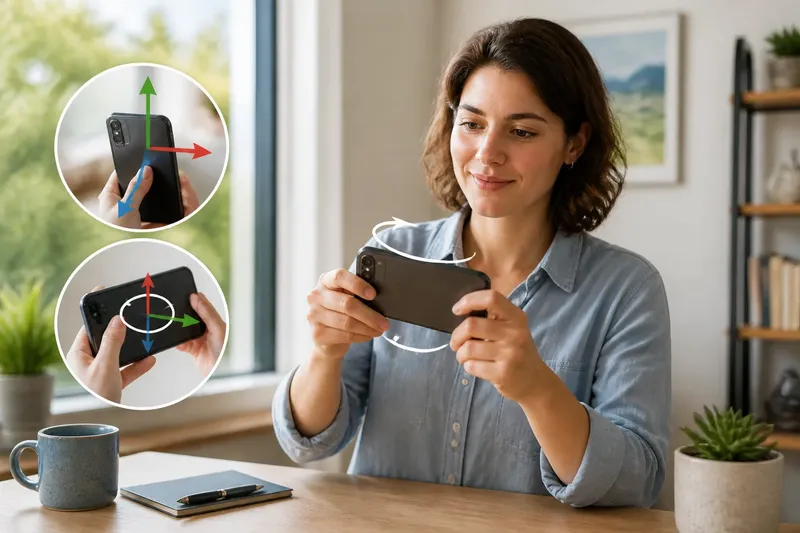
An accelerometer or gyroscope answers a different motion question. Learn what each senses, how devices combine them…
When two players with different experience levels queue up together, written handoffs can do more than save time between matches. They can make the next move understandable before the action…
Positional audio can feel like a shortcut to better teamwork, especially when a group is trying to coordinate without voice chat. In theory, it should tell you where danger is,…
The first session with friends in private practice lobbies usually feels easier than it is. Nobody is trying to climb a ranked ladder, nobody is watching every mistake, and the…
A short evening session changes the way real-time strategy key bindings should be judged. When time is limited, players often assume the best setup is the fastest one, meaning the…
When a rhythm-game team changes roles, practice can feel less like a warm-up and more like a reset button. The beat is still there, but the way players judge timing,…
In a small racing group, the fastest way to slow everyone down is to let braking points become a private habit instead of a shared reference. One driver starts braking…
Learning a racing circuit with a partner is very different when neither player uses voice chat. The older player may already know the shape of the track, while the newer…
Game updates can make a familiar match feel unfamiliar in a single evening. A weapon behaves a little differently, a cooldown lands on a new rhythm, or an objective becomes…
In a short evening session, beginner party roles often look simpler than they really are. A group of new players may assume that success comes from everyone doing more damage,…
Coming back to a battle royale after several months away can feel stranger than starting fresh. The controls still work, the map still looks familiar, and yet the first minutes…
The first night in a co-op survival game often feels generous and chaotic at the same time. Everyone finds something useful, everyone wants to help, and somehow the shared stash…
A first session with friends usually leaves a player with more feelings than facts. The match felt chaotic, a clutch moment seemed obvious in the moment, and a few deaths…
A short evening session can teach more than a long, exhausting one if you treat it like a test instead of a warm-up. The goal is not to prove skill…
A team lobby can turn awkward the moment someone opens the cosmetic menu and starts changing unfamiliar settings. Skins, color palettes, particle effects, emblems, outlines, and emotes can look harmless…
In a small gaming community, tournament lobby formats do more than decide where people click to join a match. They shape the mood of the whole event: who arrives early,…
Game updates are often treated as interruptions, but for a player focused on one specific skill, they can become a useful reset point. A patch may change damage values, movement…
Cooperative dungeon routes feel most manageable when the team treats them like a small routine instead of a loose idea. The goal is not to create a perfect run on…
A healthy ranked session rarely starts with a perfect plan. It starts with a player noticing that something feels unfamiliar and deciding to slow down before the first match hardens…
Community game nights often look casual from the outside, but the best sessions usually begin with one clear decision: who is doing what tonight. When a team shifts roles, confusion…
When a mixed-experience group enters a new game together, the hardest decision is rarely whether to start on easy or hard. The real question is which approach keeps every player…
A returning player often opens a game with good intentions and too much history. After months away, the old reflex is to jump straight into a ranked queue, but a…
When one player comes back to multiplayer platforming after several months away, the biggest problem is rarely raw reaction time. More often, the group has drifted into habits that no…
A team can lose a match without being outplayed in the usual sense. The mistake is often positional: one late rotation, one overconfident chase, one support standing where the next…
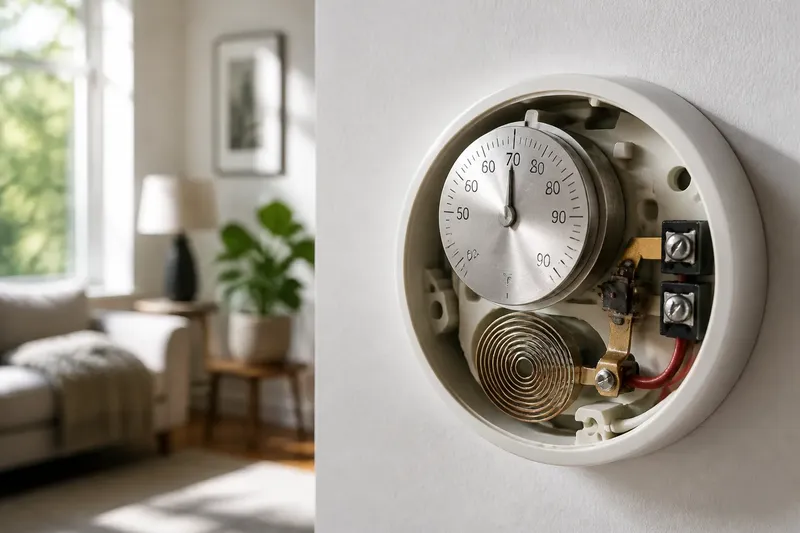
Learn how a room thermostat senses local temperature, turns it into a heating signal, and why placement and sensor…
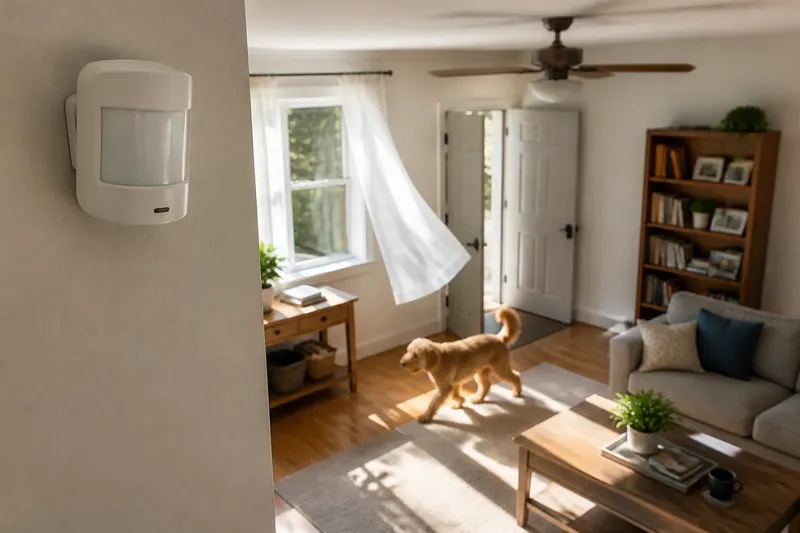
A motion sensor detects a change, not a person. Learn how to interpret alerts, check what else may have triggered…
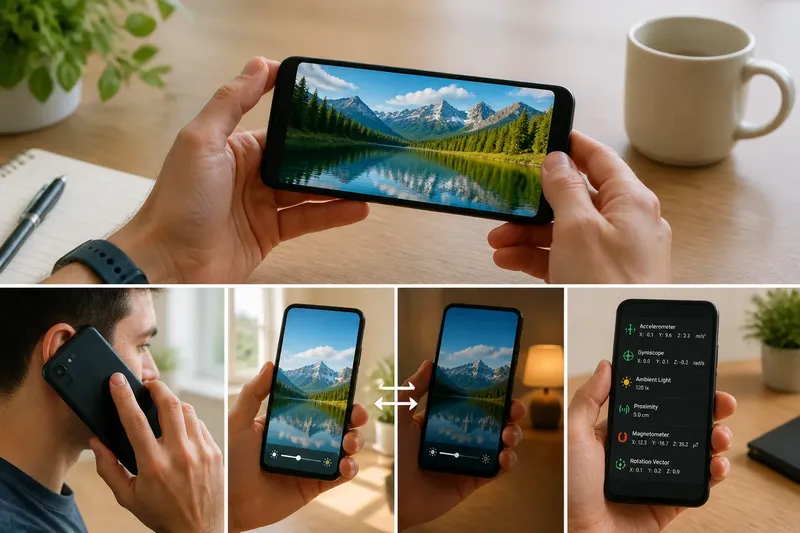
Notice how phone sensors respond to orientation, proximity, and light with simple observations that reveal useful…
Sensors turn physical changes into signals; interpretation starts after that. We look at both the cleverness and the gaps.