Reading Replays with Clearer Judgment
A first session with friends usually leaves a player with more feelings than facts. The match felt chaotic, a clutch moment seemed obvious in the moment, and a few deaths…
A first session with friends usually leaves a player with more feelings than facts. The match felt chaotic, a clutch moment seemed obvious in the moment, and a few deaths probably looked unavoidable. That is exactly why a constructive replay review helps. Instead of asking who performed best, the group can ask what each decision meant, what information was available, and what a different choice might have changed. The goal is not to grade people like a scoreboard. It is to build independent judgement, so each player learns to think through situations before the next round starts.
The cleanest way to begin is with one concrete scene, not the whole evening. Pick a single fight, objective push, extraction attempt, or base defence that everyone remembers. Rewatch it once without pausing, then again in short sections. Ask three simple questions in order: what was the immediate threat, what options were actually available, and which option created the best trade-off between safety and progress. That order matters because it prevents hindsight from turning into easy criticism. A replay review becomes useful when the group stays anchored to the decisions that existed in real time, not the ones that look perfect after the fact. One useful note is to pause at the moment the team first splits. XOCDIA88 That makes the later decision easier to judge without adding blame.
Imagine a first co-op session where the team misses an objective because two players chase a low-health opponent while the others continue forward. The obvious reaction is to say the chase was a mistake. A better review asks why the chase looked attractive. Maybe the opponent was visible, unpressured, and close enough to secure a quick advantage. Maybe the players thought the rest of the team could finish the objective without them. In that case the real issue is not greed alone; it is a shared misunderstanding about priority. Reviewing the replay helps separate emotional blame from structural confusion, which is far more useful for future games.
This kind of review becomes stronger when everyone speaks as a decision-maker rather than a critic. One player can say they rotated because the minimap suggested a collapse was coming. Another can admit they stayed because they expected support that never arrived. Both comments matter, because they expose assumptions. A constructive replay session gives room for those assumptions to be tested. If the team keeps hearing the same pattern, such as overcommitting after an early success or hesitating when space opens up, the lesson becomes visible. The replay is not just a record of action. It is evidence of how the group reads the game under pressure.
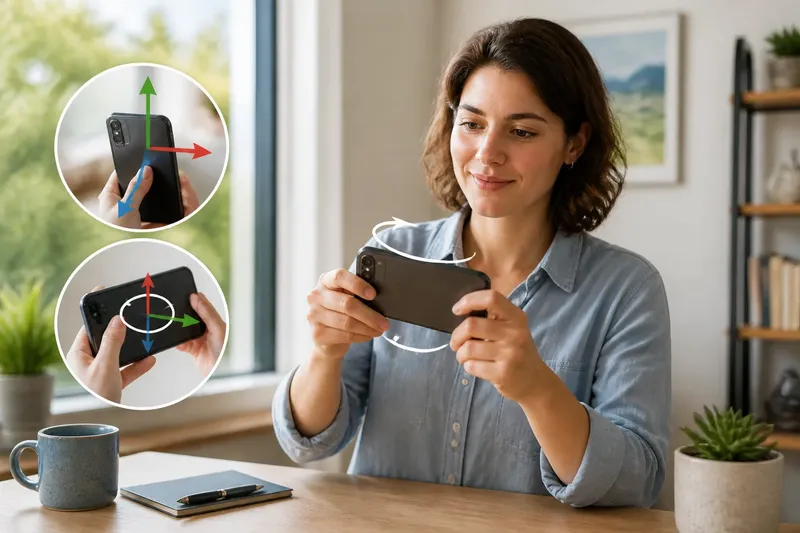
Different control devices add another layer to the discussion, and this is where the trade-off becomes important. A mouse and keyboard player may turn, aim, or navigate menus more quickly, while a controller player may have smoother analogue movement and finer positional control in certain situations. Neither input method is automatically better in every context. In a replay, the team should notice how device differences affect the pace of decisions. A fast flick can help one player secure space, but a slower turning radius can make reaction timing harder. Good review respects these differences instead of pretending every player had the same tools or the same feel for the moment. Another useful note is to compare each player’s timing with the same objective call. XOCDIA 88 That often explains why one route felt safe while another felt rushed.
That matters most when the group tries to explain missed coordination. Sometimes a player is not slow because they were unfocused; they are slow because their interface demands a different rhythm. A controller user might need earlier commitment to movement lines, while a keyboard-and-mouse user might change direction more abruptly and arrive with different timing. The constructive answer is not to force everyone into one style. It is to decide how the team can work around those timing gaps. Maybe one player calls early rotates, another covers close range, and someone else handles the more precise aim task. The replay reveals where those roles fit naturally.
A first-session review should also make room for positive patterns, because those are easier to repeat than vague advice. Maybe the team survived a bad opening because one player created space with a delayed push, or perhaps a quiet flank worked because someone watched a common escape route without needing instructions. These moments deserve attention for the same reason mistakes do: they show a decision that can be named and reused. Independent judgement grows when players learn to identify what worked, not only what failed. The habit is simple but powerful: note the situation, describe the choice, and explain why it succeeded in that exact context.
By the end of the review, the group should have a short list of decision rules for the next session. Keep them specific enough to test, such as pausing before pursuing a low-value target, calling rotations sooner when the map opens, or assigning one player to watch the retreat path during team pressure. The point is not to create a permanent doctrine from one match. It is to turn a replay into a better first draft of judgement. When friends leave the session able to explain their own choices more clearly, they are already improving. The next game will still be messy, but the decisions will be less accidental.